2026-10-16 ·
Cost Factors for Restoring Homes Near Topanga Canyon After Fire
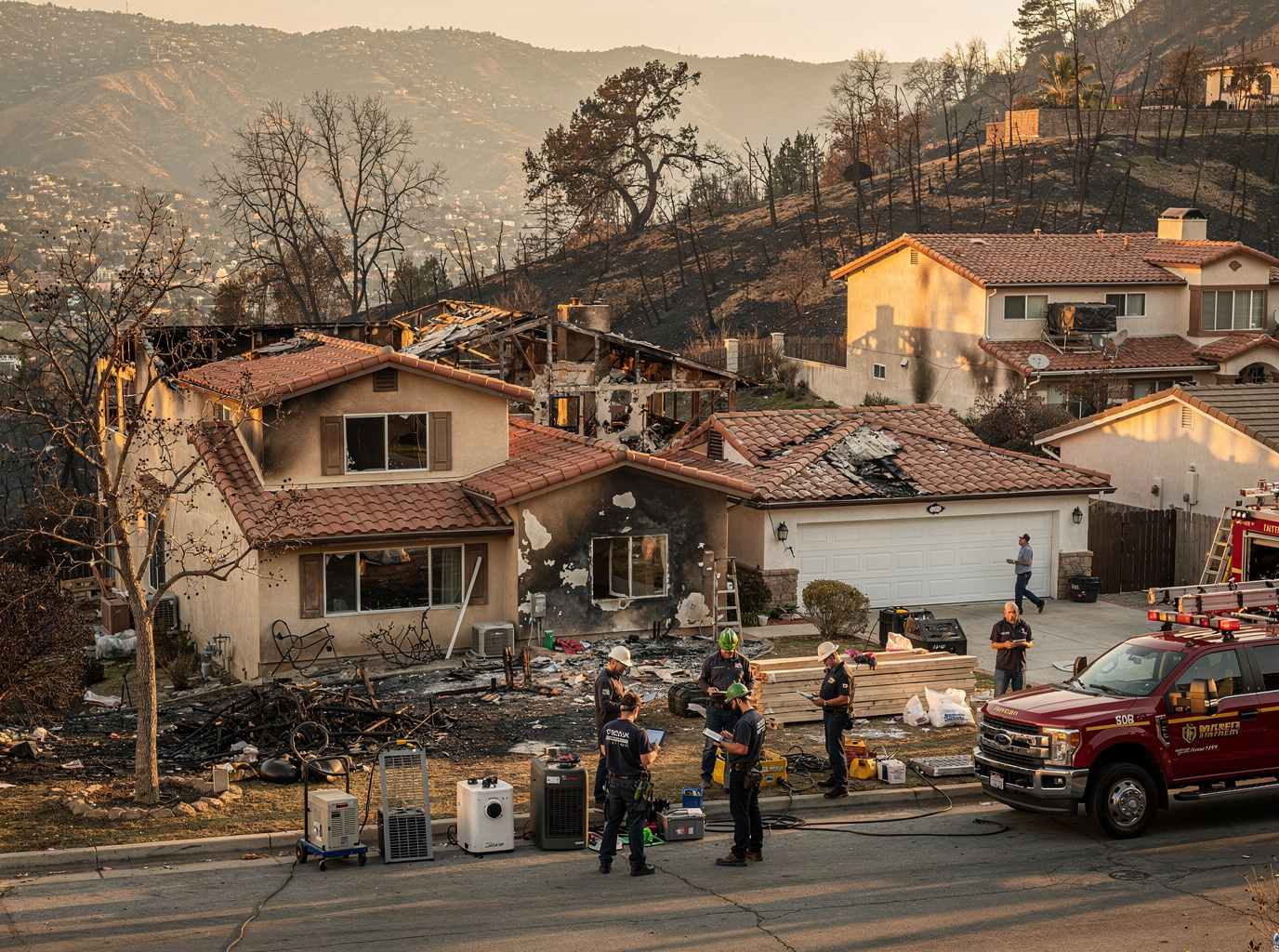
Restoring homes near Topanga Canyon after fire typically ranges from several thousand dollars for contained incidents up to tens of thousands when structural elements require replacement. Factors such as the extent of charring, smoke penetration into walls, and the need for specialized cleaning in Mediterranean climate conditions drive these totals in Woodland Hills and nearby West Hills.
Impact of Local Terrain and Housing Stock
Homes near Topanga Canyon often sit on sloped lots with older wood-frame construction common in Woodland Hills and West Hills. This terrain complicates debris removal and equipment access after a fire, raising labor time compared to flat sites in Warner Center. Mediterranean climate patterns with dry summers increase the risk of wind-driven ember spread, which can extend damage into attics and crawl spaces. Crews must account for soil stability on hillsides when staging heavy equipment for structural repairs. These conditions frequently add steps to initial assessments that flat-land properties in Canoga Park do not require.
Soot and Smoke Penetration in Regional Homes
Soot travels far in the dry air typical of Los Angeles County summers, settling into HVAC systems and insulation in homes around Topanga Canyon. Properties near Westfield Topanga or Pierce College often feature older ductwork that traps residues, requiring full-line cleaning rather than surface wiping. This hidden contamination lengthens timelines and increases material disposal costs. Crews working in Warner Center Park vicinity report similar patterns where mild winters allow residues to remain undisturbed until restoration begins. Proper containment prevents cross-contamination to unaffected rooms during the process.
Structural Repair Considerations After Fire
Structural repair after fire becomes a major variable when load-bearing beams or roof decks suffer charring near Topanga Canyon. Structural repair after fire addresses these elements while meeting Los Angeles County permitting requirements common in Woodland Hills. Older homes in Chatsworth and Calabasas frequently need engineered lumber replacements that cost more than standard framing. Weather exposure during the dry season can accelerate deterioration of exposed framing, prompting faster temporary shoring. Each project requires on-site evaluation to determine whether partial or full section replacement is necessary.
Ash and Debris Management in Nearby Neighborhoods
Ash cleanup on properties around the Warner Center area adds another layer when winds carry particles from Topanga Canyon fires into Woodland Hills yards. Handling ash cleanup on properties around the Warner Center area outlines methods that protect landscaping and hardscapes common in the region. Loose ash on driveways near Westfield Topanga requires HEPA filtration to avoid re-suspension during removal. Properties bordering Calabasas often deal with mixed debris that includes both structural ash and vegetation, changing disposal protocols. These steps integrate into overall project timelines rather than standing alone.
How Building Codes Influence Final Costs
Local building codes in Woodland Hills require updates to electrical and insulation standards during fire damage repairs, especially in homes built before current seismic and fire-resistance rules. How Local Building Codes Affect Fire Damage Repairs in Woodland Hills explains permit pathways that affect scheduling in Los Angeles County. Upgrades to meet these standards often appear during fire damage clean up when inspectors review exposed framing. Homes near Topanga Canyon may trigger additional reviews due to wildland-urban interface zones. Planning for these requirements early prevents mid-project delays that extend equipment rental periods.